

Back to all articles
News
HURRICANE First official Demo!
October 28, 2026
Share this post


Eurac Research, in collaboration with the mountain rescue service and other partners from across Europe, is testing the interaction between robotic systems in a mountain rescue scenario.
A thunderstorm caused rockfalls and landslides in the Bletterbach gorge.
People are missing, the terrain is difficult to access, and mobile network coverage is limited: this simulated scenario served yesterday as the starting point for the first official demonstration of the European HURRICANE research project, coordinated by terraXcube, Eurac Research’s centre for the simulation of extreme climates.
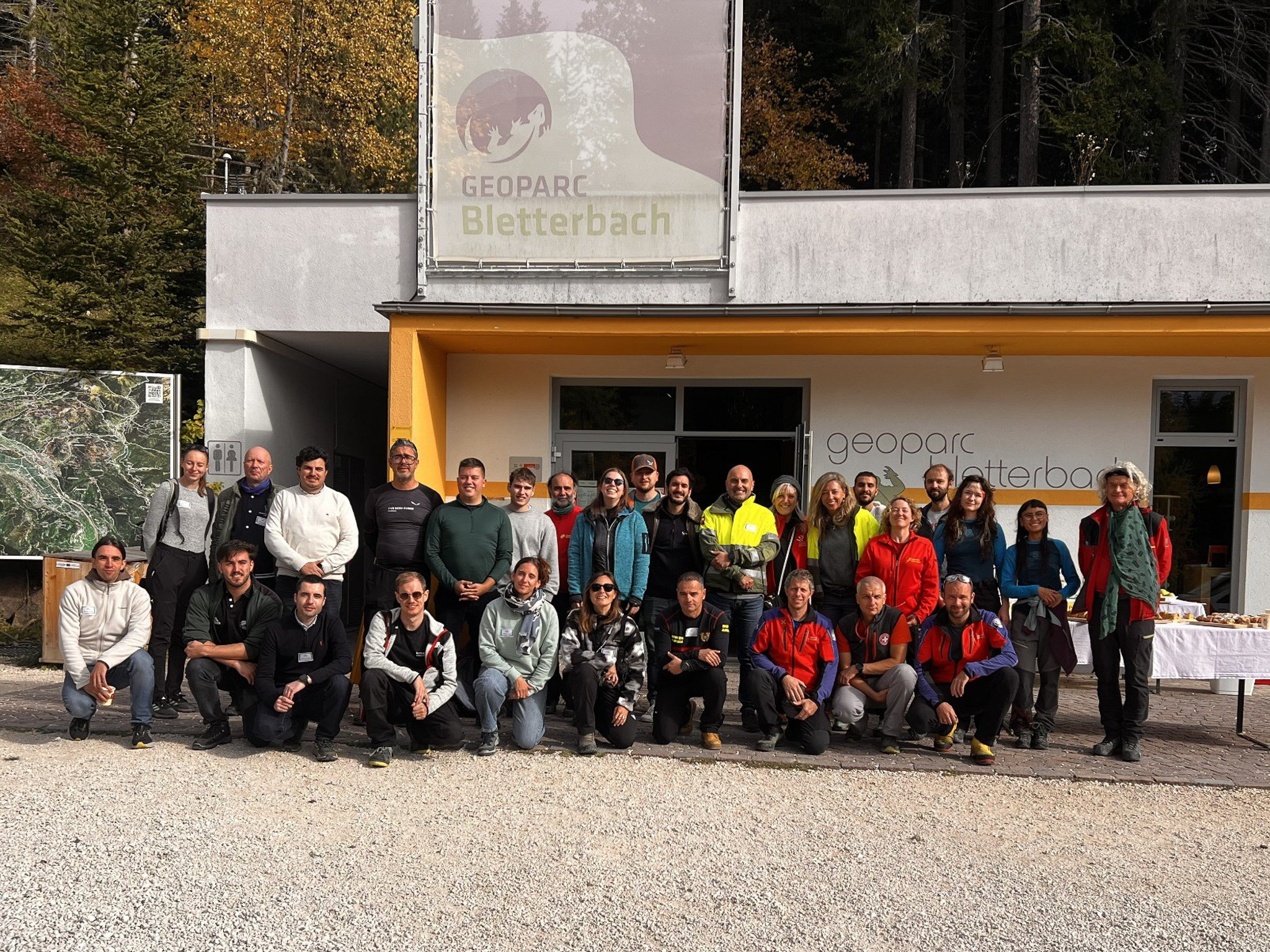
At the Bletterbach GEOPARC, the project partners tested how drones and unmanned ground vehicles can support rescue teams during operations in challenging environments.
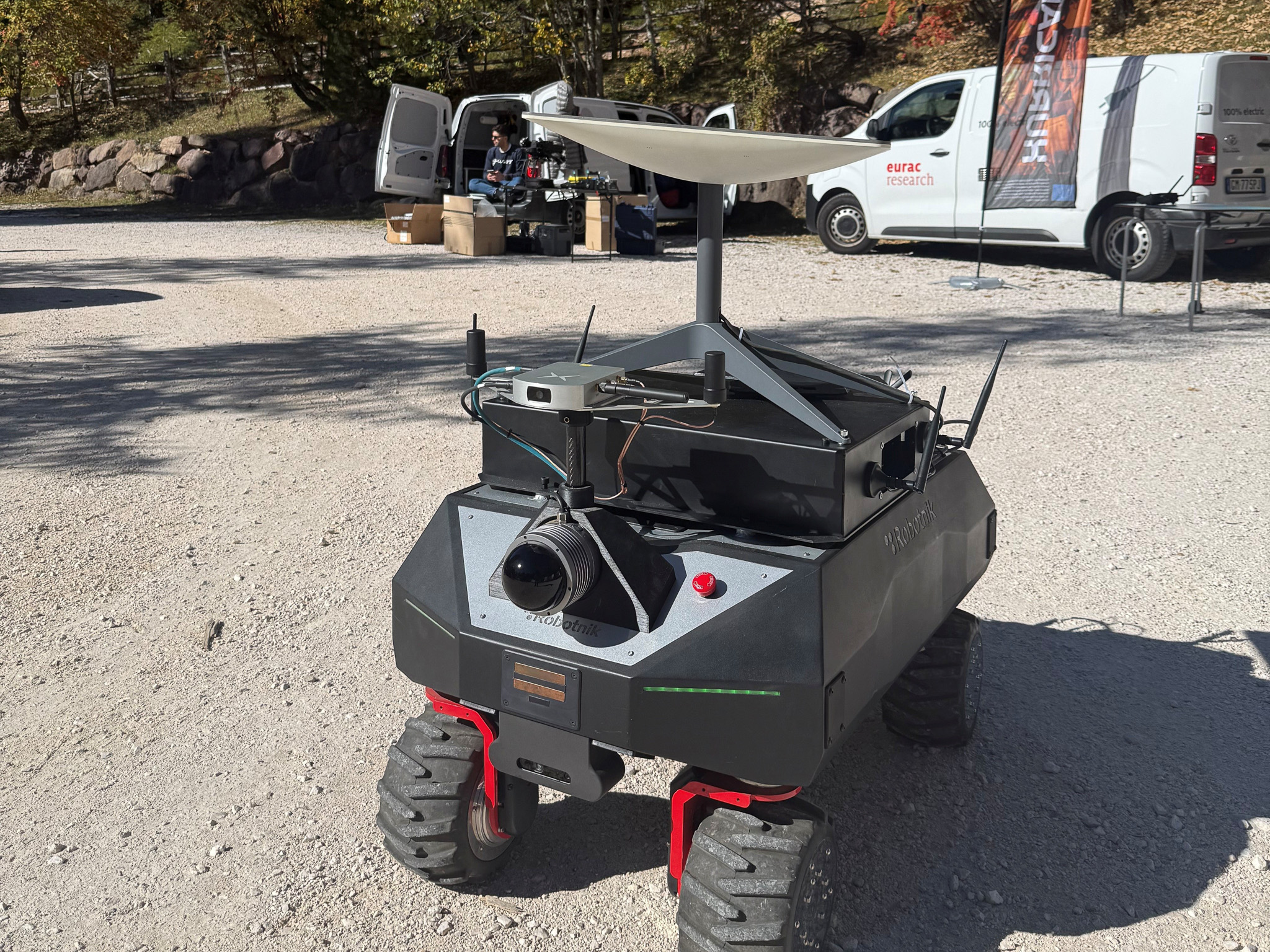
The robotic systems had to identify potential hazards and search for missing people.
Position data, video footage and technical information were brought together in a shared situational overview. Exchanging data with limited connectivity was also part of the trial.
“With the Bletterbach demonstration, HURRICANE enters the integration and testing phase: for the first time, the technologies developed by the partners are being tested together in a realistic rescue scenario,” explains Riccardo Parin, head of the terraXcube research group at Eurac Research and scientific lead of the HURRICANE project.
The real innovation lies not in any single technology, but in the ability to build a reliable system that meets the needs of those working in the field.
“Especially in the early stages of an operation, rescue teams need to quickly assess which routes are accessible, where hazards are located and whether people are involved. Drones can survey an area from above, while ground robots provide information from terrain that is difficult to access or potentially dangerous.
The data collected provide an overall picture that helps emergency responders decide how to proceed.
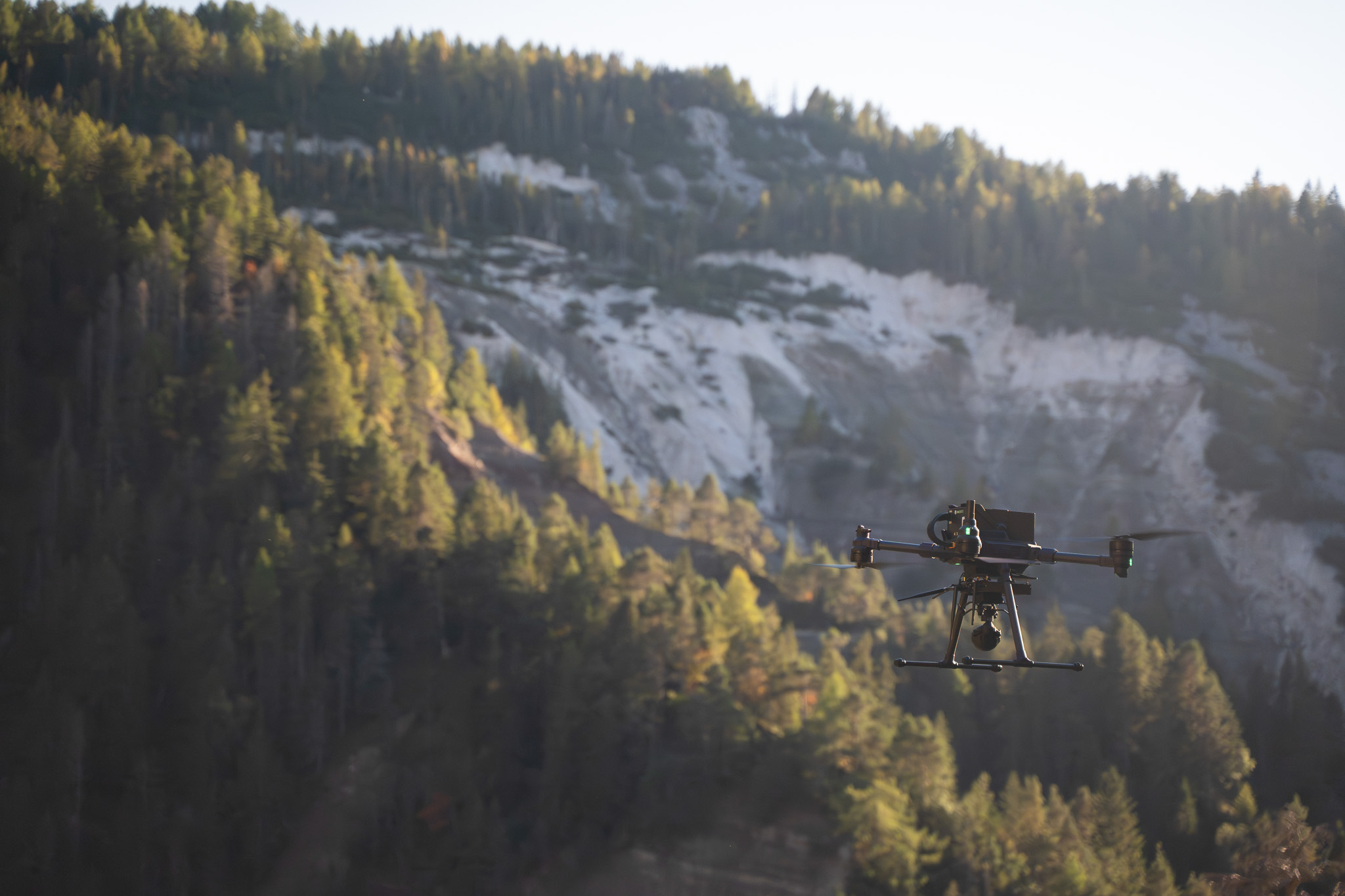
The Bletterbach presented the technologies being tested with particular challenges: narrow paths, steep rock faces and limited or, in some cases, no network coverage at all.
The aim was to verify whether the systems could collect and exchange information even under these conditions and make it available to rescue teams.

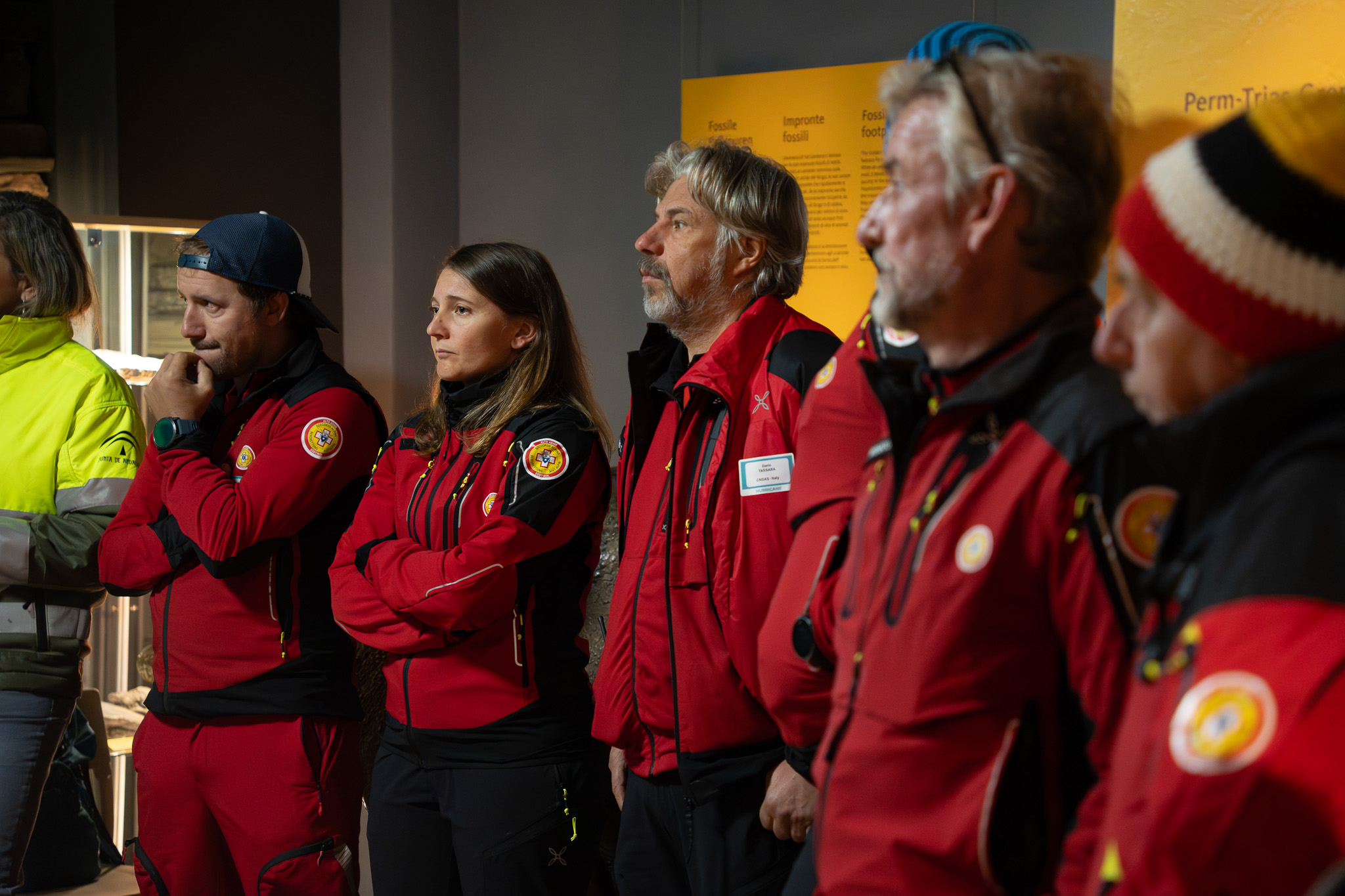
Feedback from those involved was particularly important and will feed into the further development of the various systems. “New technologies are increasingly being integrated into mountain rescue operations and provide valuable support,” says Dario Tassara, director of the South Tyrol Mountain Rescue Service.
“We have to keep pace with the times, and today we have a good opportunity to demonstrate this.” The field trial was also important for the Bletterbach GEOPARC.
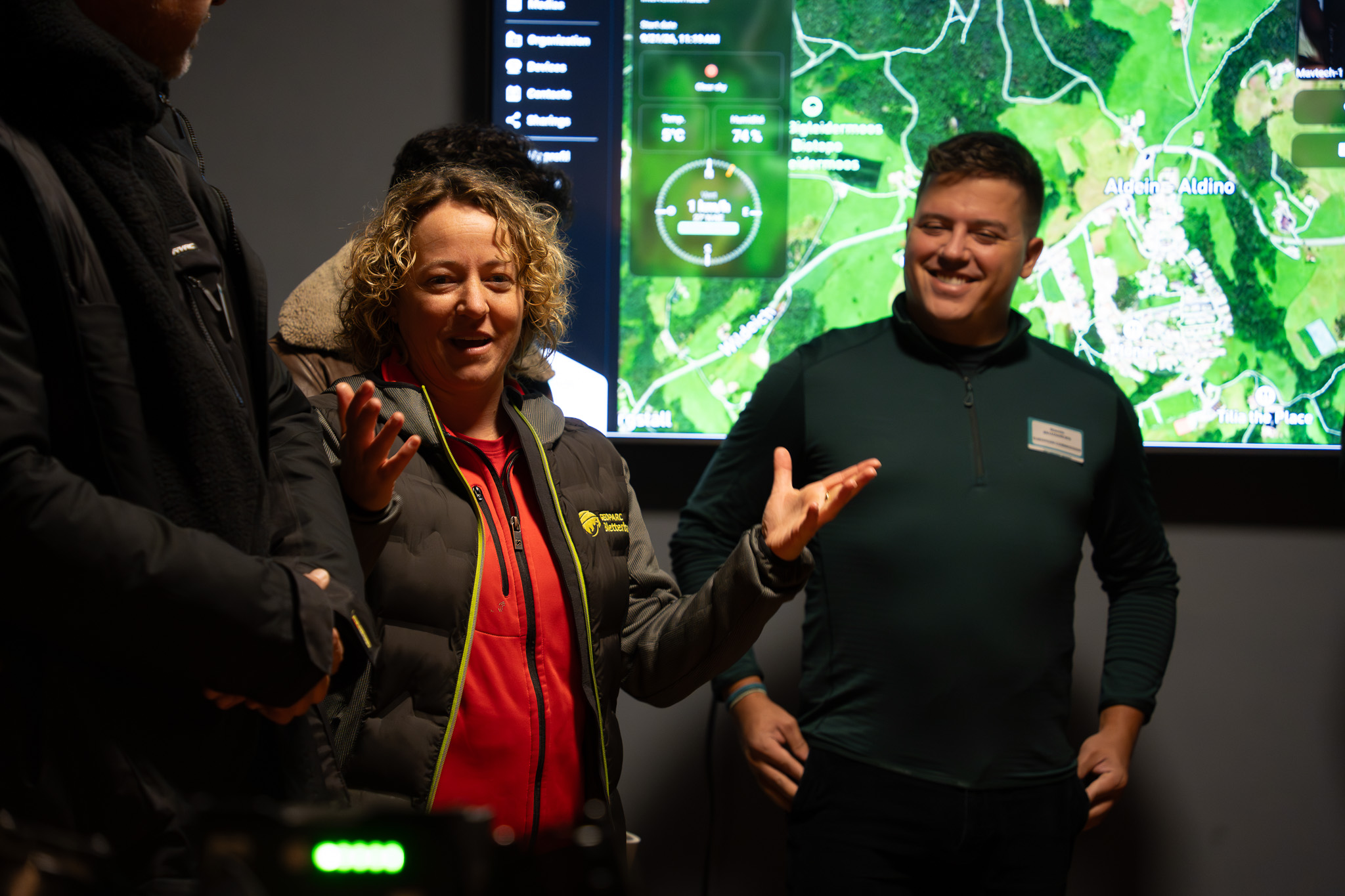
“We want to offer our approximately 50,000 international visitors an impressive natural experience while ensuring their safety,” says director Hannah Pomella. “The project gives us the opportunity to learn about new technical solutions under real-world conditions within the geopark and to actively support their development.”
HURRICANE is funded under the EU Horizon Europe programme. The project, which runs from 2025 to 2028, brings together 14 European partners. In addition to the alpine scenario, the technologies will also be tested in an urban setting and in a wildfire scenario.
“Demonstrations such as HURRICANE are particularly valuable in this context, as they bring together first responders, researchers, industry and other security stakeholders to test solutions in realistic environments,” says Giannis Skiadaresis, Area Coordinator at the European Commission’s Directorate-General for Migration and Home Affairs.


