Back to all articles
News
HURRICANE, CARMA & TRIFFID at the 2026 Robot Response Alliance event
April 30, 2026
Share this post


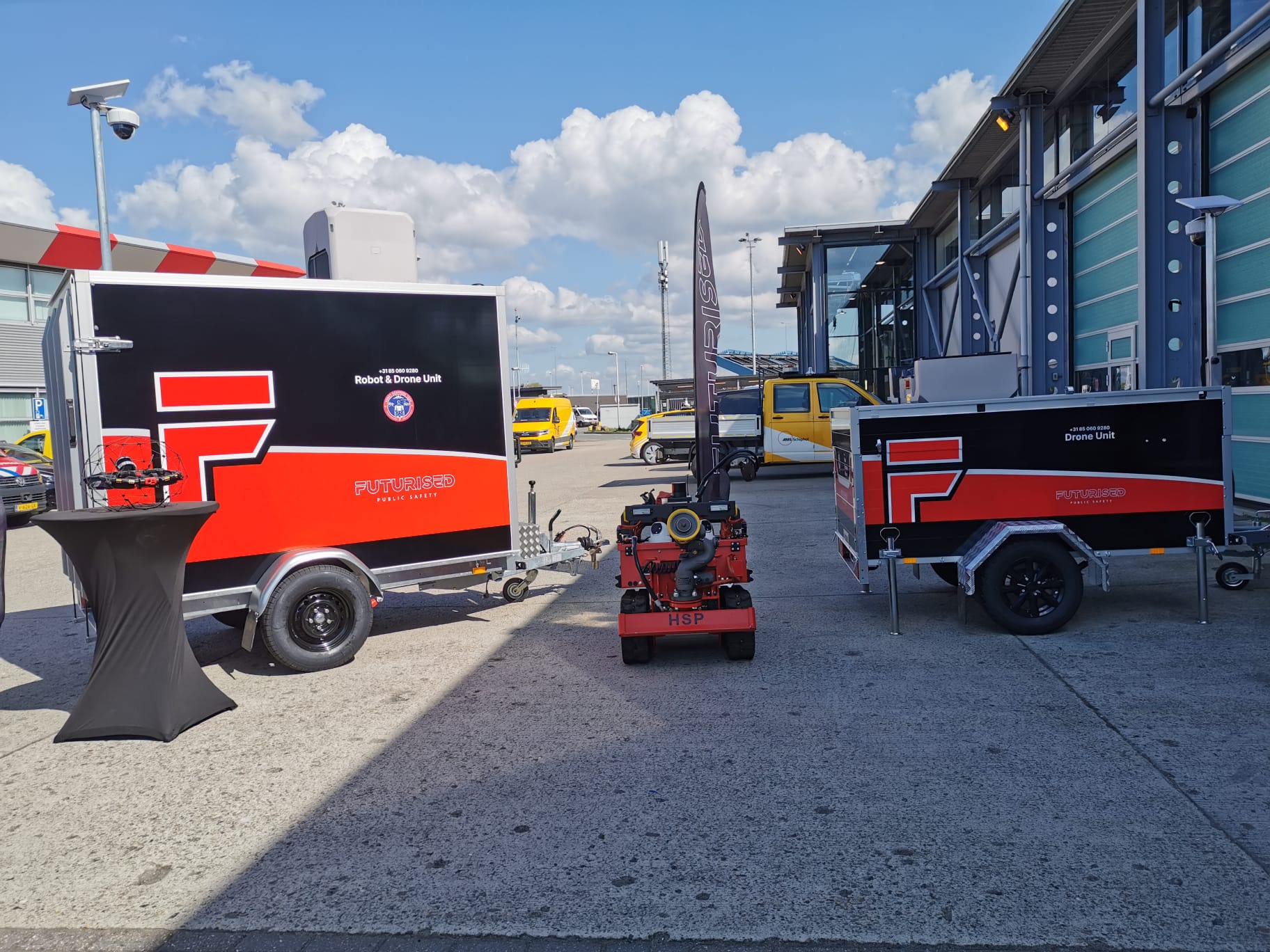
The event offered a valuable look into how advanced technologies are already supporting real-world emergency operations.
From drones and ground robots to AI-powered analytics and decision-support tools, it was clear that these solutions are no longer future concepts—they are actively enhancing the effectiveness of rescue missions today.
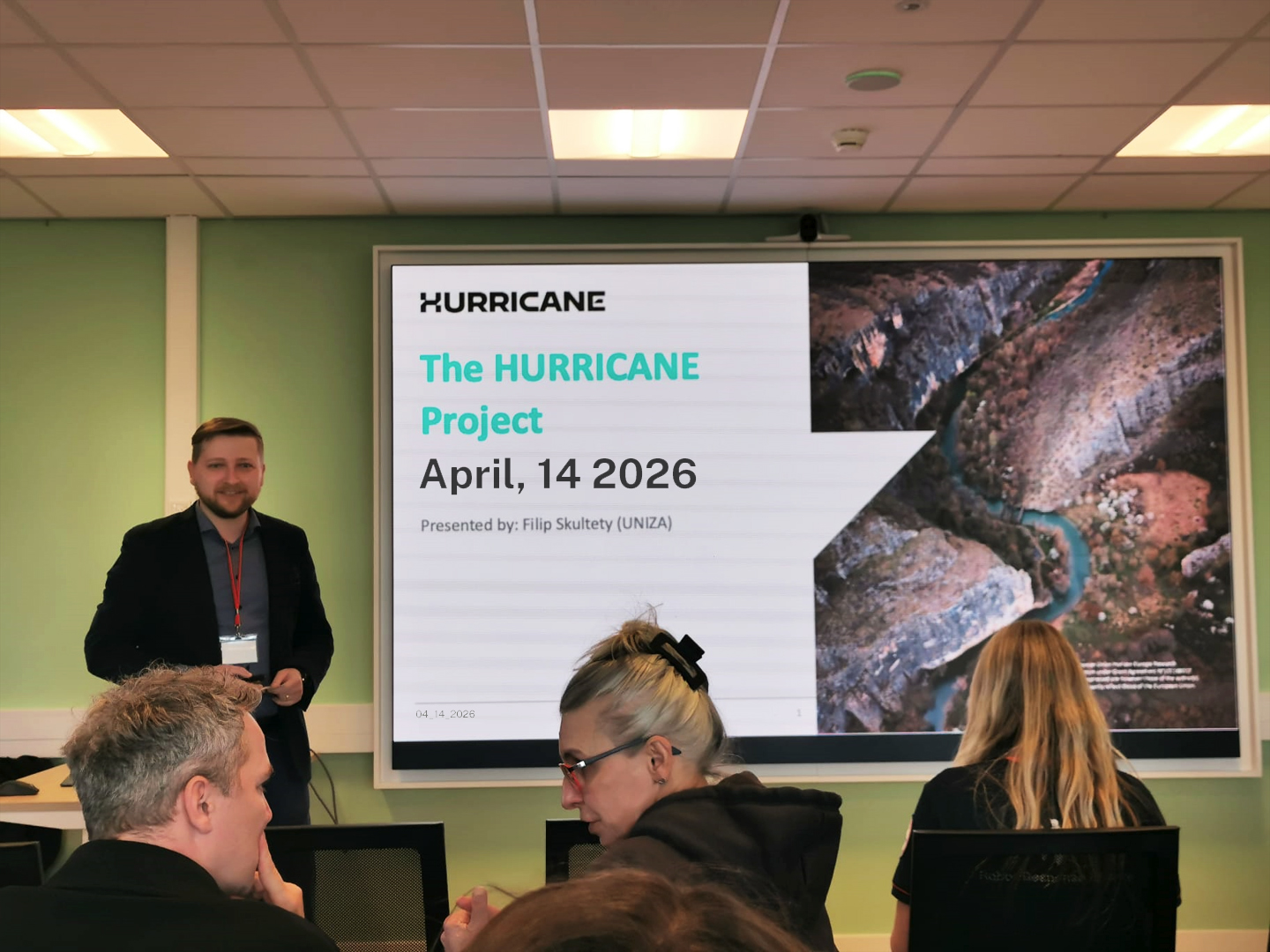
Within the session dedicated to EU-funded research projects, alongside the TRIFFID Project and the CARMA EC Project, the HURRICANE was represented by the University of Zilina, contributing perspectives on the ethical, societal, and HMI dimensions of robotics in emergency response.
What stood out just as much as the technology was the spirit of cooperation.
Bringing together first responders, researchers, and industry representatives created a unique environment for sharing experience, aligning needs, and shaping practical solutions. This kind of collaboration is essential if we want to ensure that innovation translates into real operational impact.

For the HURRICANE project, it was a great opportunity to present our work, exchange insights, and learn directly from those working on the front lines.
Thank you to the organisers and all participants for creating such a focused and engaging event full of discussions and connections that will continue to drive progress in safer, faster, and more effective emergency response.